
Views: 0 Author: Site Editor Publish Time: 2025-02-07 Origin: Site


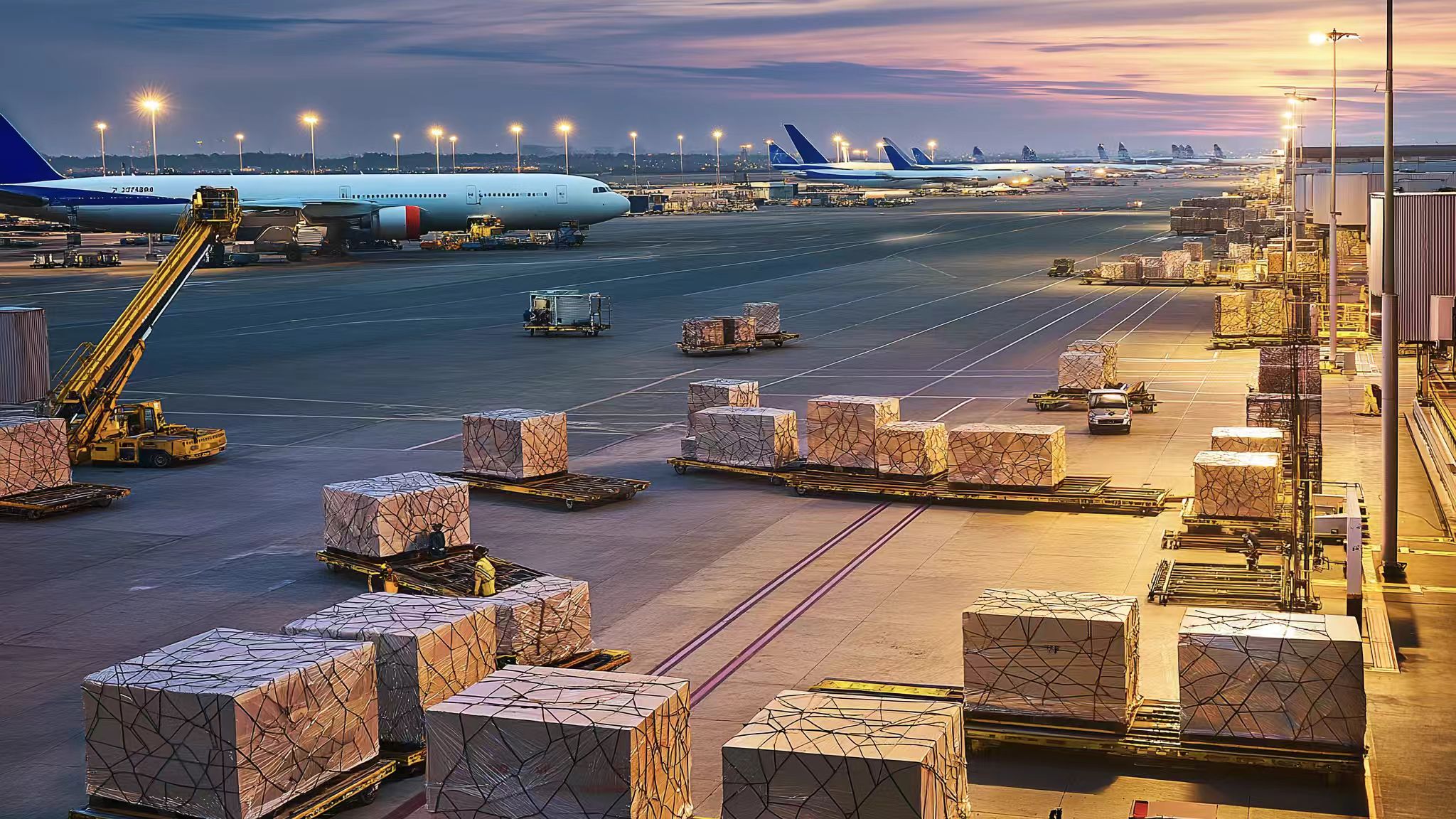
Air freight fees refer to the various charges associated with transporting goods by air. These fees cover the cost of moving your shipment from one location to another and can vary significantly depending on several factors.
Components of Air Freight Fees:
Base Freight Charges: The core cost of transporting goods by air, calculated based on weight and dimensions.
Fuel Surcharges: Additional fees tied to current fuel prices, which can fluctuate frequently.
Customs and Handling Fees: Charges for customs clearance and cargo handling, which vary depending on the destination country’s regulations.
Additional Services: Optional costs like insurance, specialized packaging, or temperature-controlled storage for perishable goods.
Fees differ based on factors like shipment details, routes, carriers, and market conditions. For instance, shipping to a remote location may cost more due to limited airport infrastructure. Similarly, hazardous materials or oversized items often require special handling, increasing the overall price.
Several factors influence the cost of **air freight fees**. Understanding these can help you anticipate expenses and negotiate better rates.
●Weight and Dimensions: Heavier or bulkier shipments cost more. Airlines use a metric called “chargeable weight,” which considers both the actual weight and the size of the shipment.
●Type of Goods: Hazardous or perishable items may require special handling, increasing costs. For example, shipping live animals or pharmaceuticals often involves additional fees.
●International vs. Domestic: International shipments often involve higher fees due to customs and longer distances. Domestic air freight is generally more affordable.
●Remote Locations: Shipping to areas with limited airport infrastructure can be more expensive. For instance, delivering goods to a small island may require multiple transfers, raising the price.
●Express vs. Standard: Express air freight is faster but more expensive. Standard air freight is a cost-effective option for less urgent shipments.
●Door-to-Door vs. Airport-to-Airport: Door-to-door services include additional logistics, such as pickup and delivery, which raise the price. Airport-to-airport services are cheaper but require the shipper to handle transportation to and from the airport.
●Seasonal Demand: Prices rise during peak seasons like holidays or major sales events. For example, air freight fees often spike during the Christmas season due to increased demand.
●Fuel Price Fluctuations: Changes in oil prices directly impact fuel surcharges. When fuel prices rise, air freight fees tend to increase as well.
Calculating air freight fees involves a few simple steps:
●Compare the actual weight and volumetric weight of the shipment. The higher of the two is the chargeable weight. Volumetric weight is calculated using the formula: **(Length x Width x Height in cm) / 6000**.
●Multiply the chargeable weight by the base rate per kg or cubic meter provided by the carrier or freight forwarder.
●Include fuel surcharges, customs and handling fees, and any additional services like insurance or specialized packaging.
●Actual Weight: 50 kg
●Volumetric Weight: 60 kg
●Chargeable Weight: 60 kg
●Base Rate per KG: $5
●Fuel Surcharge: $1 per kg
●Customs and Handling Fees: $50
●Total Cost: (60 kg x $6) + $50 = $410
To get the most out of **air freight fees**, follow these tips:
●Use efficient packaging materials to reduce weight and dimensions. This can lower costs and ensure goods arrive safely.
●Book shipments early to secure better rates and avoid last-minute surcharges.
●Work with trusted freight forwarders for discounted rates and better service. Long-term partnerships can lead to preferential pricing.
●Discuss terms and conditions to secure the best deal. Ask about volume discounts or long-term contracts.
●Evaluate multiple air freight fees to find the most cost-effective solution. Don’t just focus on price—consider service quality too.
Avoid these pitfalls to ensure you get an accurate and fair **air freight fee**:
●Providing incorrect weight or dimensions can lead to unexpected charges. Always double-check your measurements before requesting a quote.
●Overlooked costs like customs duties or handling fees can inflate the final price. Ask for a detailed breakdown of all charges.
●Settling for the first air freight fee without exploring alternatives may mean missing out on better rates. Always compare multiple quotes.
●Choosing the cheapest air freight fee without considering reliability can result in delays or damaged goods. Prioritize providers with a strong track record.
The air freight fees landscape is evolving with new trends and technologies:
●Advanced tools are making fee calculations faster and more accurate. AI can analyze market trends and predict pricing changes, helping shippers plan better.
●Real-time adjustments based on demand and capacity are becoming more common. This allows carriers to optimize pricing and shippers to find the best **air freight fees**.
●Eco-friendly practices, such as using sustainable aviation fuel, may impact pricing in the future. Shippers may pay a premium for greener options.
●The rise of online retail is driving demand for faster, more transparent **air freight fees**. E-commerce giants are investing in dedicated air cargo fleets to meet customer expectations.


